
Off-Season Scramble - A guide to Spring Prep
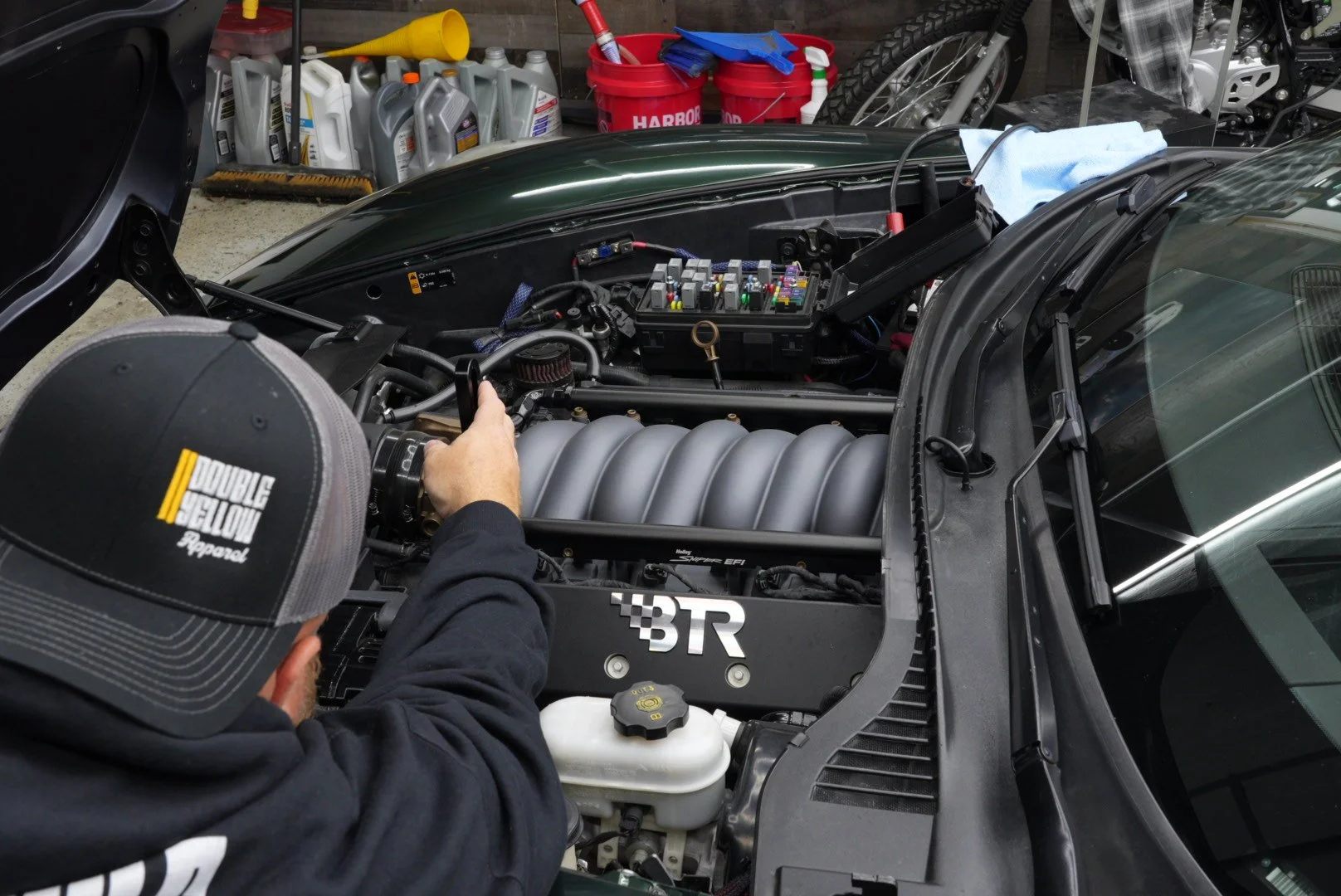
“The condition of the machine reflects the attention of its owner.” — Sōichirō Honda
The off-season arrives whether we’re ready for it or not. The roads go quiet, the cars get parked, and the attention shifts from driving to everything that made those miles possible in the first place. While winter usually brings holiday food and half-kept resolutions, it should also bring an honest look at the machine. Whether you’re new to backroad driving or you’ve spent years chasing empty stretches of pavement, this is the season for inspection, repair, and reset. What we ask of our cars isn’t gentle, and ignoring that reality only shortens the time we get to enjoy them. The work done now—measured, intentional, and sometimes rushed—sets the tone for every mile that comes after.
In my 25 or so years of turning wrenches and beating up cars, I’d like to think I’ve broken and fixed just about everything there is to break and fix. Unfortunately, that never seems to be the case. Proper maintenance is simply good practice, especially when we demand more from our equipment than the typical commuter ever will. So where do we start? The same place any good repair job does: with a slow, thorough inspection.
Start by getting the car in the air—whether that’s on jack stands in the garage or up on a lift. Low-slung sports cars live hard lives, and the suspension takes the brunt of it. Over time, constant load and heat cycles loosen fasteners, wear bushings, and quietly work components past their best days. Your first order of business should be a methodical pass over every major connection point: check for loose hardware, cracked or deteriorated bushings, and any play in wheel bearings. These are critical components that are easy to forget or overlook, but if they fail, you could find yourself on the wrong side of the guardrail, flying through the air towards that view you we’re chasing—and no one wants that.
Grab a proper torque spec sheet for your vehicle and start checking everything. Which brings us to the next point—the one that probably matters most, the thing that actually glues you to the road: TIRES!.
I can’t count how many times I’ve been out driving and run into rookies on subpar tires who won’t hesitate to turn the dial up to eleven. Unfortunately, those are usually the same people who run out of talent shortly after—and end up featured on pages like Fail of the Dragon. Tires are everything in this world. They’re your lifeline, the only thing between you and the tarmac. Taking care of them, understanding their limits, and choosing the right ones is probably the single most important thing we do as drivers.
Start with the basics. Check the date codes and be honest about the age of the tire—rubber hardens long before the tread disappears. Look closely for dry rot along the sidewalls and between tread blocks, especially on cars that sit through the winter. Measure tread depth across the full width, not just the center, and pay attention to uneven wear that can point to alignment or suspension issues. Cold tire pressures should be set before the first drive of the season, and any tire that’s seen repeated heat cycles needs to be treated with caution, regardless of how “good” it still looks. Just as important is choosing the right compound for how you actually drive: dedicated summer tires offer the best grip and feedback when pushed, while a quality all-season can make sense if you don’t plan to lean on the car as hard and want to stretch the season a little longer. If there’s one place not to cut corners, pun absolutely intended, this is it.
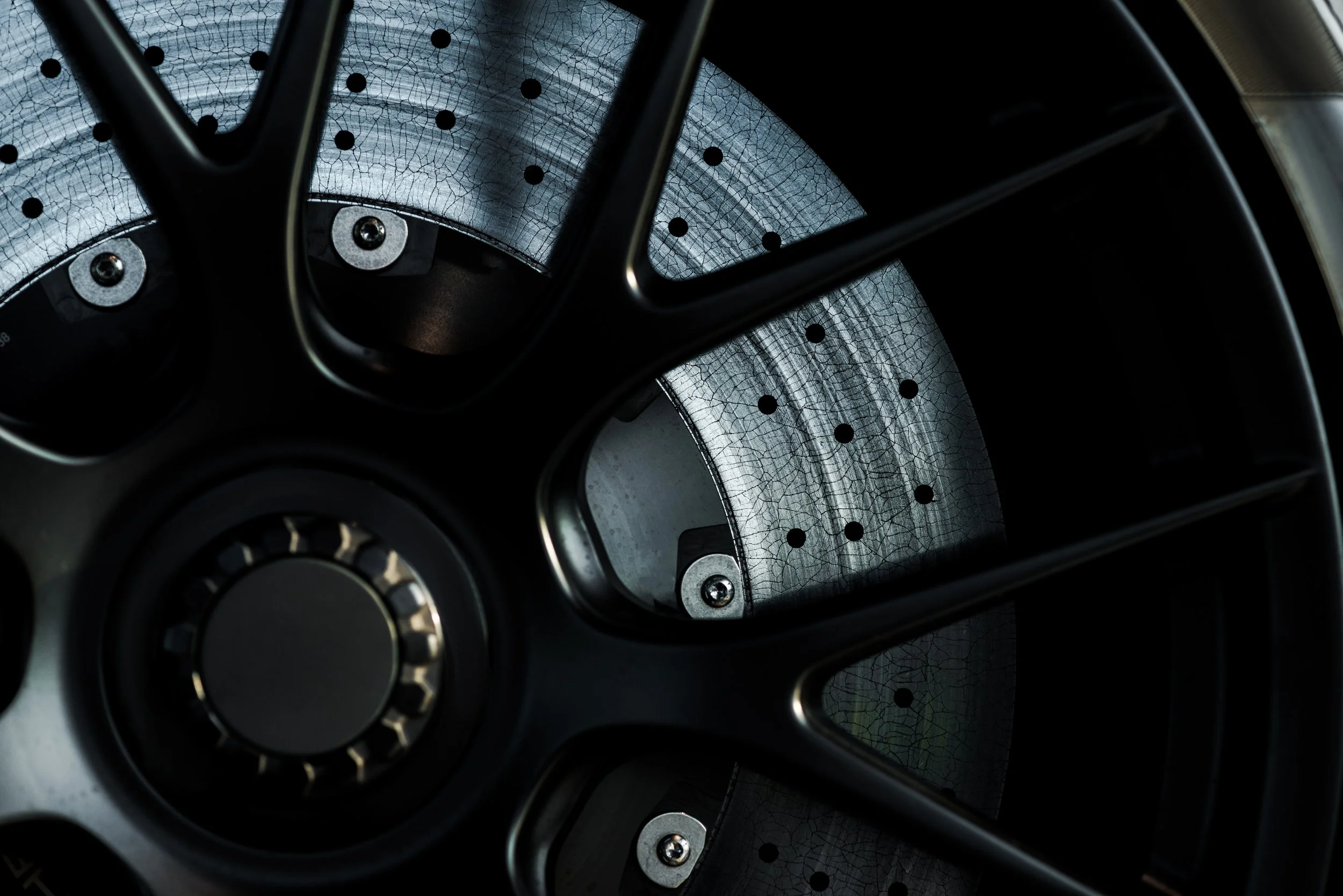
As good as all that rubber is, it’s only as good as the brakes you’re relying on to slow it back down. Brakes are one of the biggest consumables on any car, even if the general public likes to pretend otherwise. A good brake setup is about more than just stopping—it’s about maintaining that ability after being pushed hard, again and again. There are few worse feelings than drawing down on the brake pedal heading into a tight hairpin, no guardrail in sight, only to feel the pedal sink toward the floor as fade sets in.
Start by inspecting pad life and rotor condition, paying attention not just to thickness but to heat checking, glazing, and uneven wear. Pads that look acceptable for street use may be well past their comfort zone once temperatures rise. Brake fluid matters just as much—old, moisture-contaminated fluid lowers the boiling point and turns a firm pedal into a guessing game when things get hot. Flush the system if it’s been more than a season, inspect lines for cracks or swelling, and make sure the pedal feels consistent under pressure. Brakes don’t usually fail all at once—they fade gradually, quietly, and at the worst possible moment. Treat them as the consumables they are, and they’ll keep doing their job when you need them most.
Pad compound choice matters more than most people realize. Street pads are designed for cold stops, low noise, and minimal dust, but they give up consistency once temperatures climb. A proper performance-oriented pad can maintain bite deeper into a drive and recover more predictably between corners, even if it comes with a little extra noise or dust. This is also the time to consider worthwhile upgrades like stainless steel brake lines for improved pedal feel or higher-quality fluid with a higher boiling point. None of these changes are about stopping shorter once—they’re about stopping the same way, every time, when the road demands it.

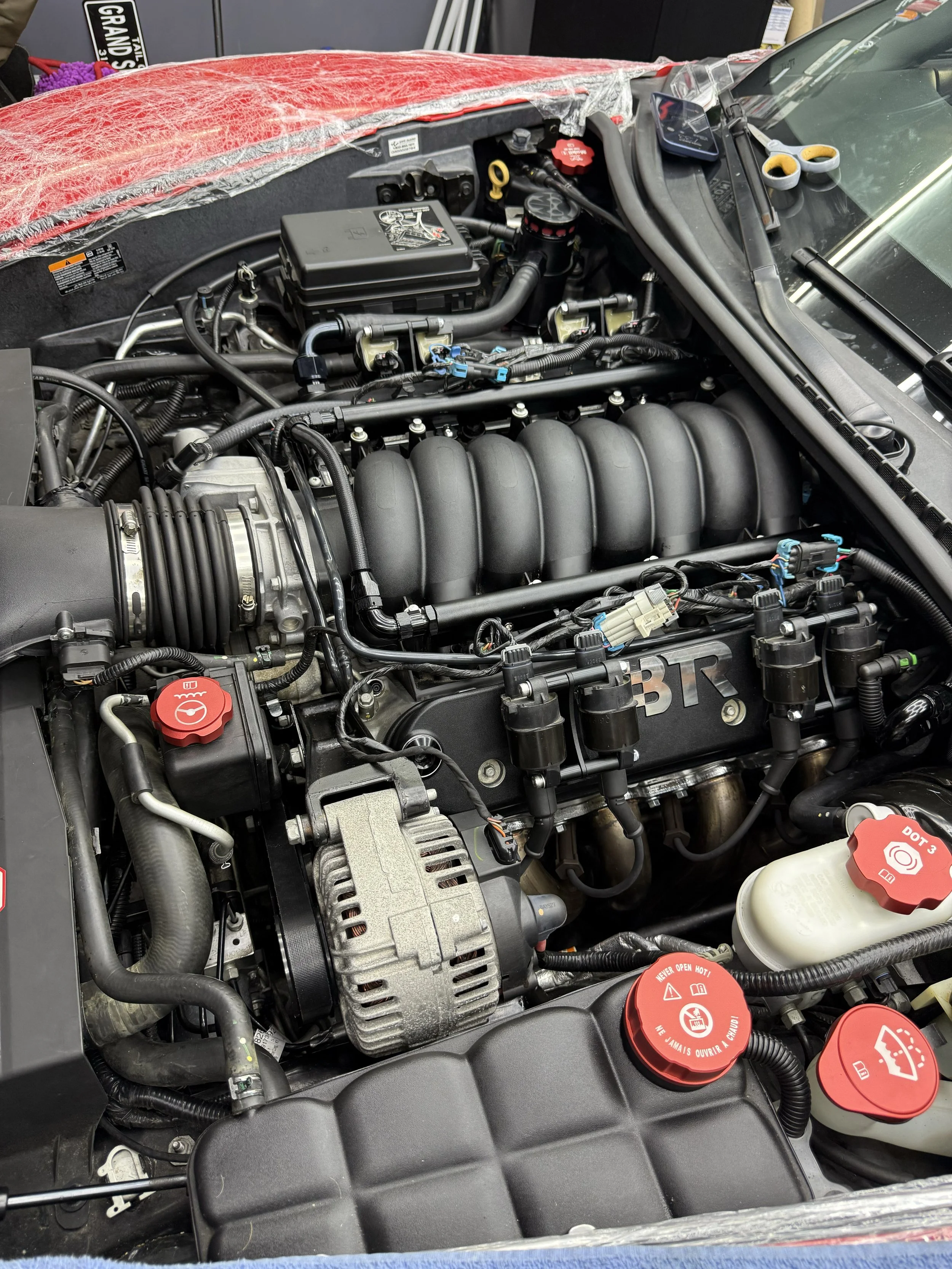
Fluids are easy to overlook because they rarely fail all at once, but they’re the quiet foundation of reliability. Engine oil, coolant, transmission, and differential fluids all take a beating when driven hard, and winter is the right time to assess their condition honestly. Look for discoloration, contamination, or burnt smells, and don’t assume mileage alone tells the full story—heat cycles matter. Cooling systems deserve extra attention as well: inspect hoses, clamps, radiators, and expansion tanks for leaks or brittleness, and make sure fans and thermostats are doing their job. Overheating doesn’t announce itself politely, and backroads don’t leave much room for error.
Steering is where everything comes together, and it should feel precise and predictable. Check tie rods, rack mounts, and power steering components for play or leaks, and pay attention to any vague or inconsistent feedback through the wheel. An alignment check after winter potholes and suspension work is time well spent, especially on cars that see aggressive cornering. Steering issues rarely start dramatic—they show up as small hesitations or corrections that add up over time. Address them now, and the car will tell you exactly what it’s doing when the roads open back up.
The last thing worth checking isn’t bolted to the car. After a long winter, drivers are rusty too—reaction times are slower, judgment hasn’t been sharpened yet, and grip doesn’t come back all at once. The first drives of the season should be about relearning the car and the road, not proving anything. Ease back into it, build heat gradually, and pay attention to how the car responds instead of forcing it to keep up with expectations set months ago. The goal isn’t to pick up where you left off—it’s to make sure you’re still around to enjoy the rest of the season… and not become a meme…
The off-season scramble is rarely clean or perfectly planned. It’s cold garages, half-finished projects, parts that show up late, and lists that never quite get checked all the way off. But that work matters. Every bolt tightened, every worn part replaced, every small decision made with a little patience earns you something later—confidence, consistency, and miles that feel right. Spring doesn’t reward shortcuts, and the road has a long memory. Do the work now, laugh at the chaos, and take pride in the process. The best drives aren’t rushed into—they’re built quietly, one winter night at a time. So get out there and start turning those wrenches… the thaw is coming!
-Double Yellow Apparel