
West Virginia, Home is Where the Double Yellow is…
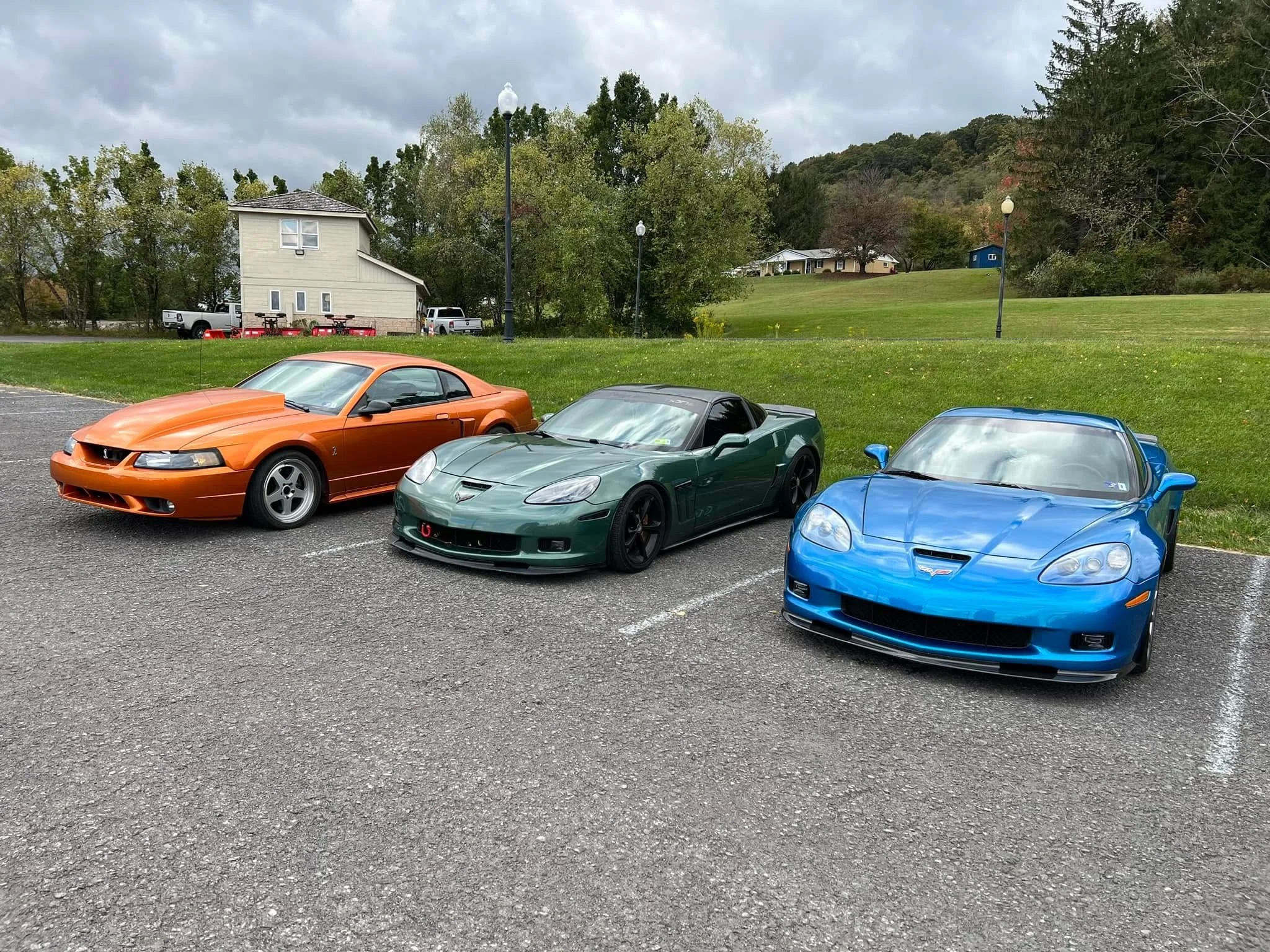
Deep Creek Fall Run
“I reckon I’d be lucky if I made it half as far, to only die on hills that are closest to my heart” — Zach Bryan
This year was the first time in six seasons that I didn’t make it down to Eastern Tennessee, and I didn’t realize how much that would sit with me until fall rolled in. For years, those miles through the mountains had become a ritual — a pilgrimage, almost — something I counted on to reset my head and remind me why I love driving as much as I do. But as the weeks passed and the reality of staying home settled in, I found myself turning back to the roads around me. The ones I grew up on. The ones I know by muscle memory. And somehow, those familiar bends and backroads started to fill the space that Tennessee usually does. Not completely — nothing replaces the Smokies — but enough to remind me that sometimes the roads closest to home carry a different kind of magic. A quieter kind. A steadier kind. A kind that shows up when you need it.
That line Zach Bryan wrote in Lucky Enough, to me read’s about how the places closest to your heart are the ones worth returning to — and worth being shaped by. That idea has been stuck with me lately. Because even though I wasn’t able to make it back to Tennessee this year, I realized that the roads I grew up on, the ones I know by memory more than map, still have a way of grounding me. They may not have the legend or the elevation or the mystique of the Dragon, but they carry their own weight. Their own history. Their own pull on my chest. And in their quiet way, they reminded me that meaning isn’t always found in the miles you chase — sometimes it’s found in the ones that made you.
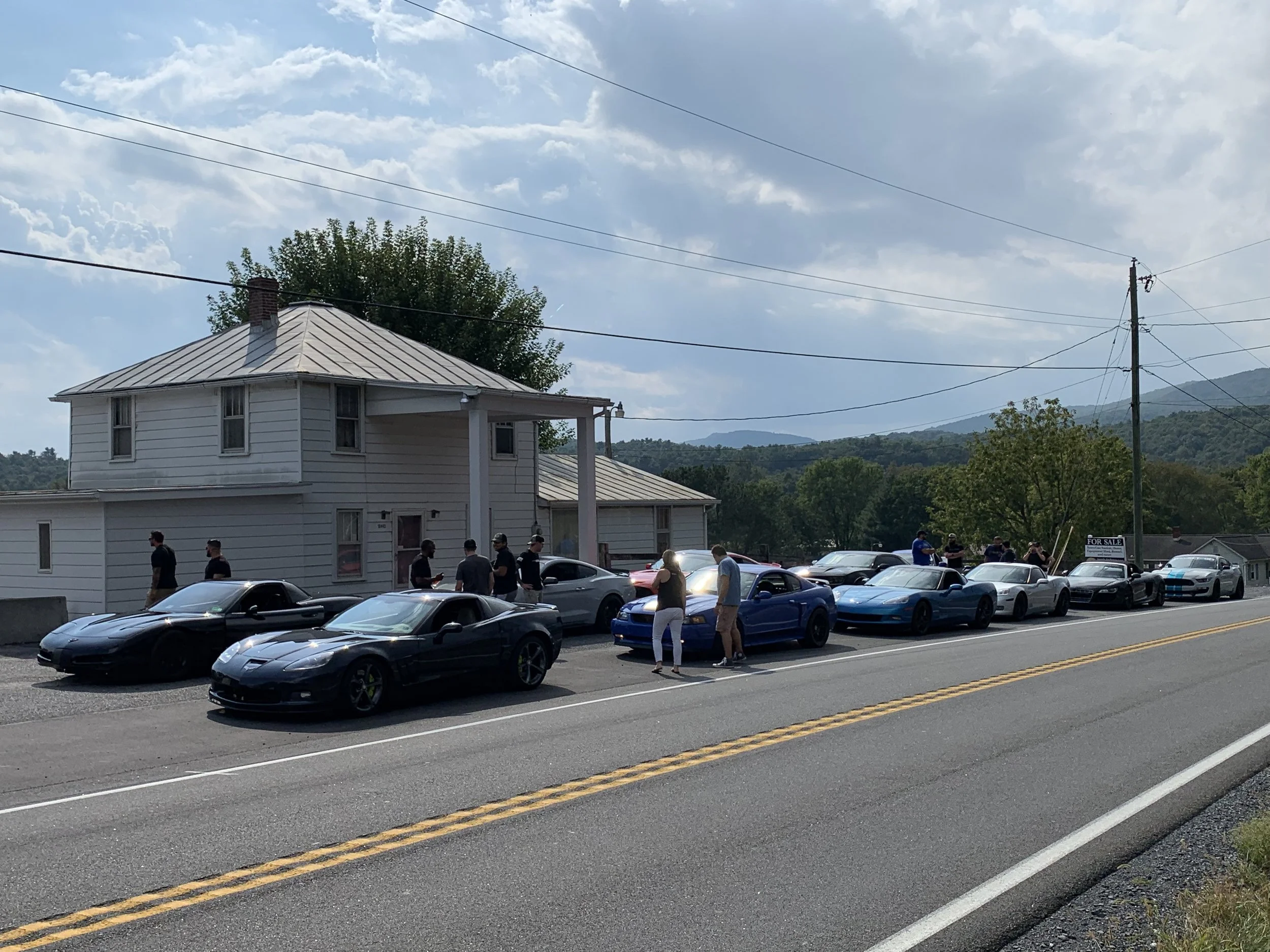
Somewhere on Rt33, good drives and good vibes
West Virginia is by no means without its own great roads—far from it. Route 33 and Route 50 carve their way across the state like they were designed with drivers in mind. Corridor H, while not a classic double-yellow backroad, offers some of the most breathtaking views you’ll find anywhere in Appalachia. And places like Snowshoe, with its surrounding ridge lines and even a sanctioned hill climb (WV Hillfest), prove that this state knows how to cater to people who see the world through a windshield. Shoot we even have laws on the book that allow you to get permits to shut down public roads for motorsports events.
Safe to say, West Virginia is a driver’s state—quietly, consistently, and proudly.
Honestly, that’s part of what makes West Virginia feel so special. Out here, the roads breathe. There aren’t crowds lining every overlook or tourists putting along in the good sections. Most days, it’s just you, the asphalt, and the sounds of your engine and tires. Our mountains don’t demand attention the way some destinations do—they reveal themselves slowly, turn after turn, in the quiet spaces where traffic thins and the world finally feels wide open again. For anyone chasing a different backroad experience, one without the noise or the rush, West Virginia is worth the journey. It may not be famous, but it doesn’t need to be. The solitude is the selling point.
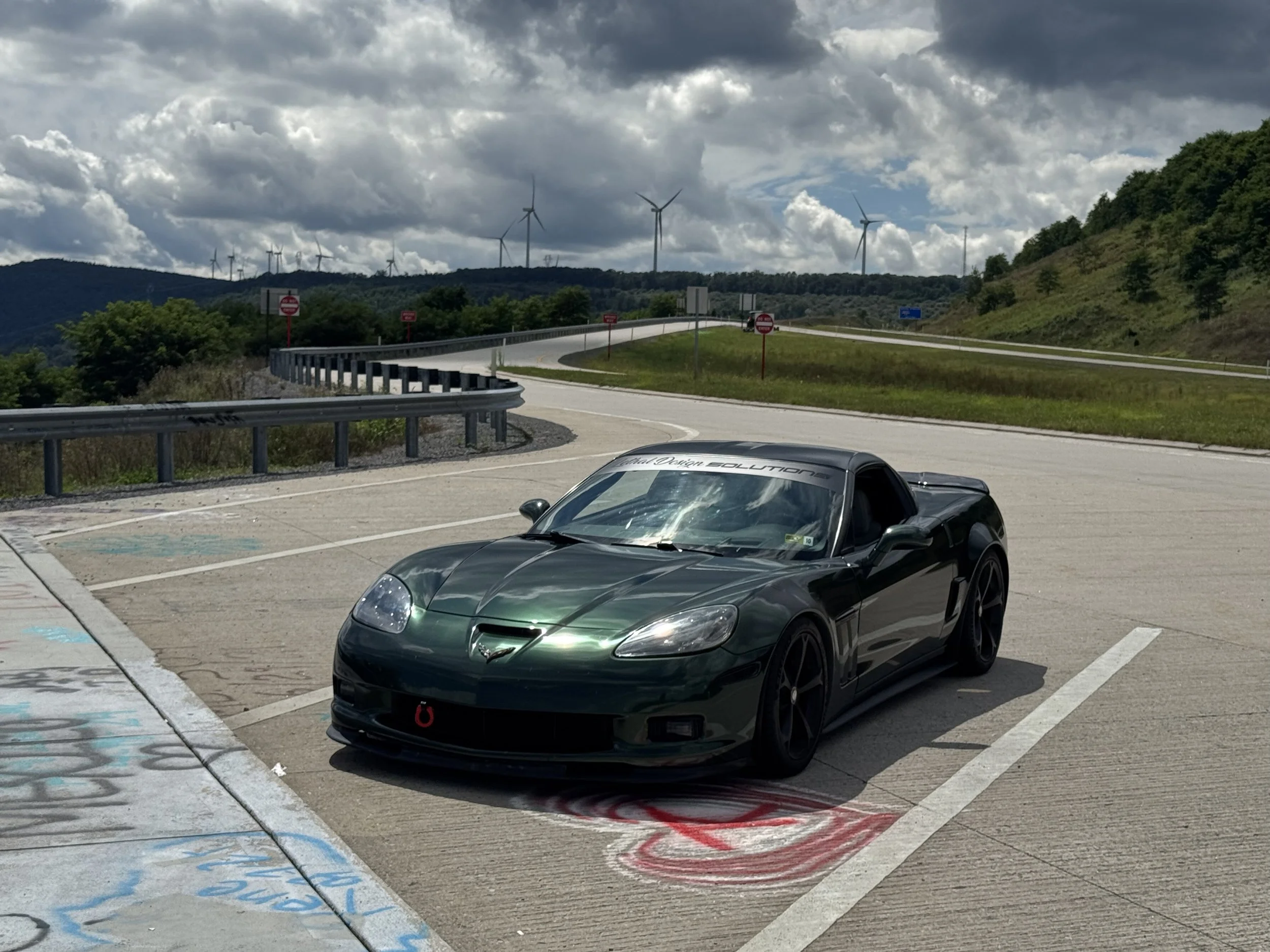
Corridor H Scenic Overlook
West Virginia isn’t just a place to drive — it’s a place layered with stories. Every mountain pass, every hollow, every stretch of winding pavement carries a history deeper than the asphalt itself. From coal towns carved into the hillsides to century-old bridges still standing strong, the state is full of relics from the people who built their lives into the landscape. And right alongside those man-made marks are the natural wonders — cavern systems, highland overlooks, forested ridgelines, and river gorges carved over millions of years. It’s a place where history and nature live shoulder-to-shoulder, and where every mile gives you something to discover if you’re willing to slow down and take it in.
In the end, not making it to Tennessee this year taught me something I didn’t expect. I spent so long chasing the idea of “the place I’m supposed to be” that I overlooked the truth right in front of me—that the roads closest to home carry their own kind of gravity. Their curves shape you, their views stay with you, and their memories stick deeper than the miles you put between you and your driveway.

Luke Tantlinger competing in WV Hillfest, Snowshoe WV
And that’s the heart of the whole thing, isn’t it? We dream of faraway ridgelines and legendary stretches of pavement, but the hills that raise us leave the deepest marks. The roads we grew up on, learned on, messed up on, and fell in love with driving on—they steer us in ways a map never could. They’re not just routes on a GPS; they’re part of who we are.
So while the Dragon will always call, and the Smokies will always feel like a second home, this year reminded me that my own hills deserve the same reverence. They’re the ones that taught me how to drive, how to breathe, how to think, how to feel. The ones that keep pulling me back no matter how far I roam. And if the next season takes me somewhere new, or back to the roads I’ve loved for years, I’ll still carry this truth with me: sometimes the roads closest to your heart end up being the ones that shape your journey the most.
Chase the big drives, but never forget the ones that raised you.
-Double Yellow Apparel