
Precision over Power — Wade Best’s 2013 Subaru BRZ
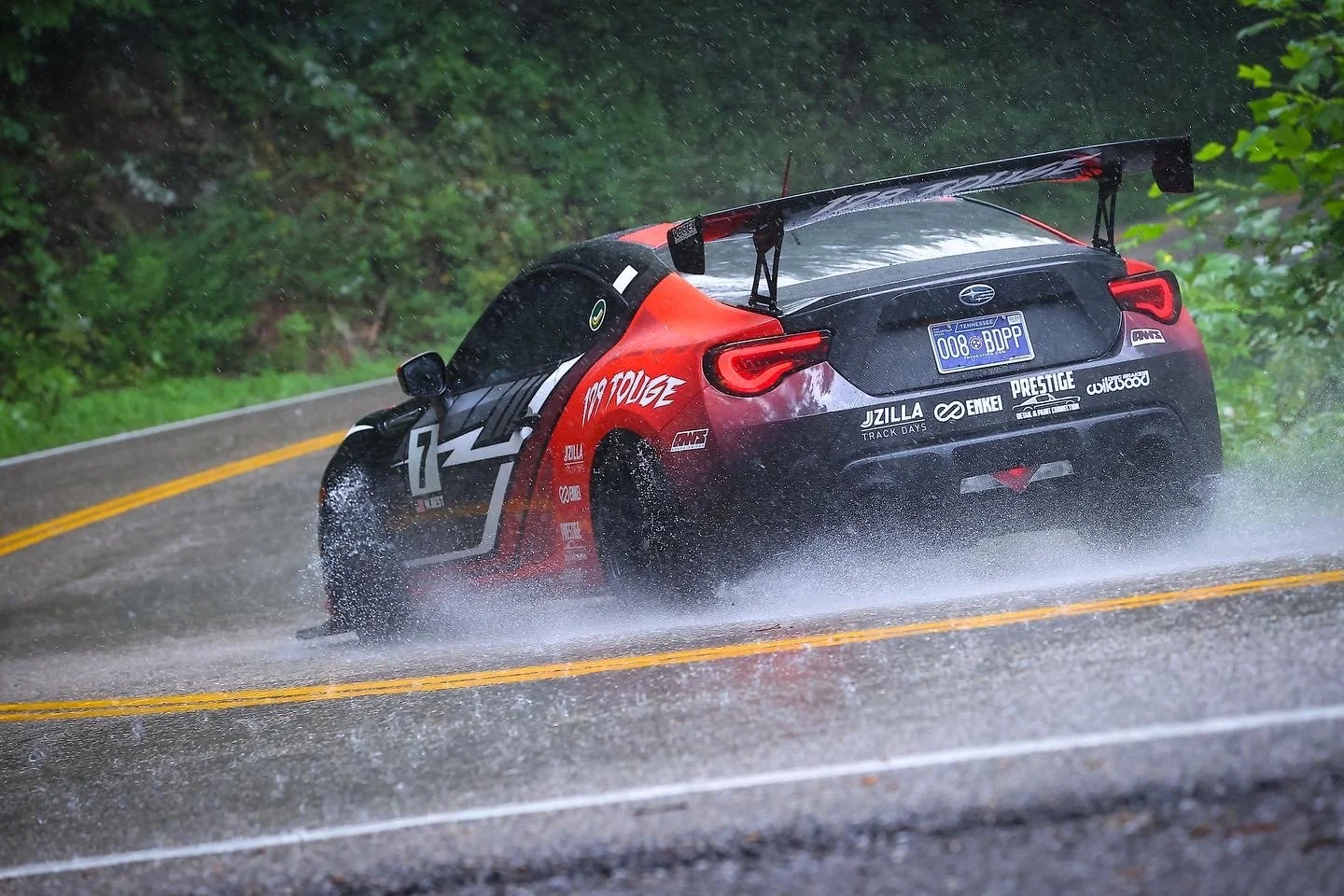
“Life’s short and can suck at times, but being able to drive just makes those feelings disappear.” — Wade Best
Some builds are defined by spec sheets. Others by horsepower numbers. But every so often, a car earns its identity the harder way — through years of seat time, mechanical setbacks, evolving priorities, and a driver committed to refinement rather than shortcuts. Wade Best’s 2013 Subaru BRZ exists firmly in that space. Not as a showcase of excess or spectacle, but as something far more difficult to achieve: a machine shaped by discipline, longevity, and a philosophy best summarized in three simple words — precision over power.
Though our paths haven’t crossed in person yet, the familiarity is undeniable. We live in the same world — one built around early mornings, late nights, mountain roads, track days, and the quiet understanding that cars like this aren’t simply owned, they become part of us. Spend even a few minutes around Wade’s BRZ — or listen to the way he speaks about it — and the throughline becomes clear. This isn’t just a build story. It’s a story of time, persistence, and a driver evolving alongside the machine.
Back in his senior year of high school, the BRZ wasn’t part of some carefully calculated vision. There was no long-term blueprint or master plan guiding its future. The objective was simple and deeply familiar within enthusiast culture: an 86 chassis and a manual transmission. That was enough. Sitting on a used Honda lot, the car spoke in that quiet, irrational language drivers know well — where practicality fades and instinct takes over.
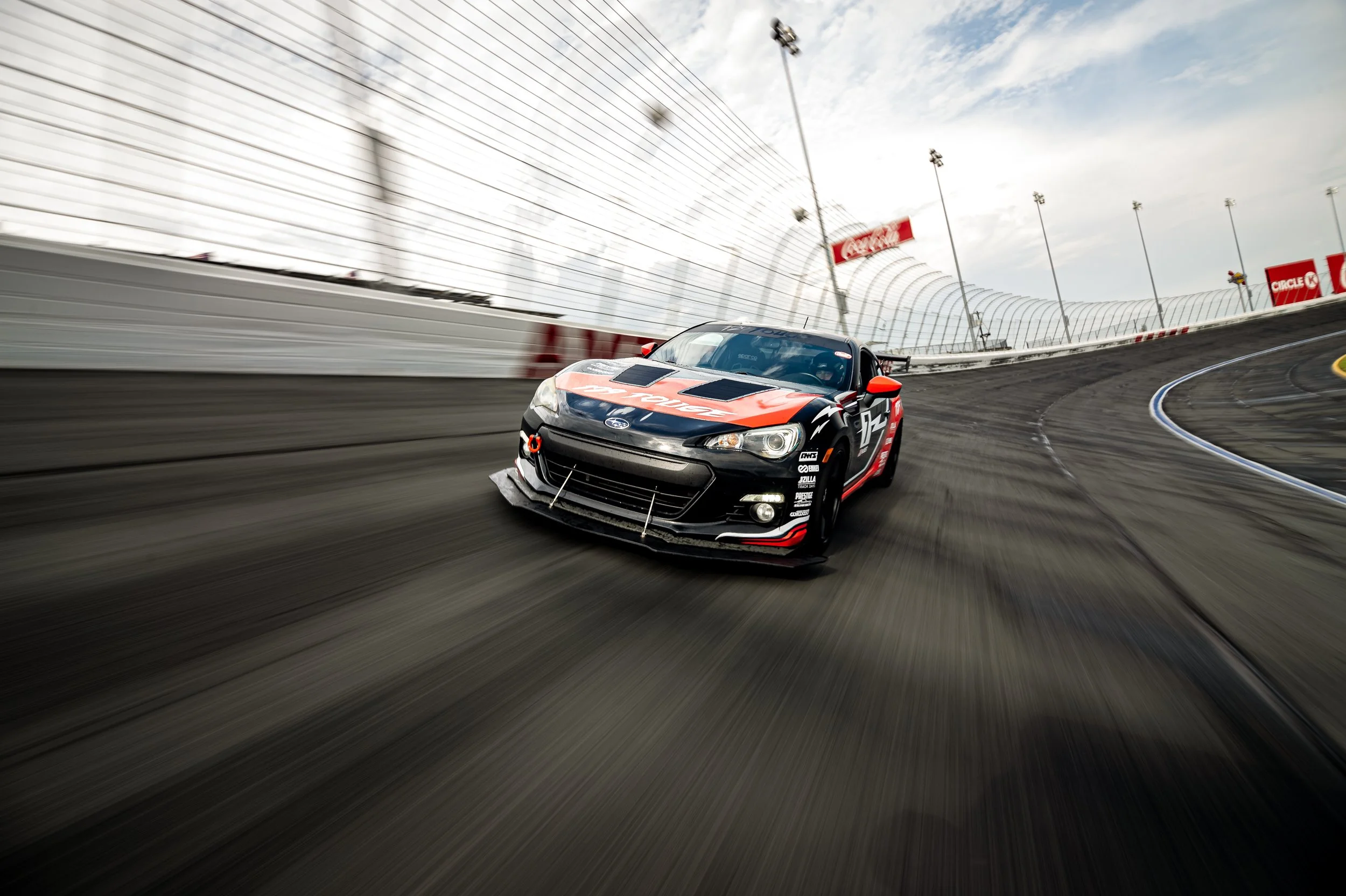
“I didn’t really have a plan for this car at that time,” Wade explains. “I just wanted an 86 chassis and mainly a manual.”
What followed would become a far longer and more defining journey than he could have anticipated.
Like most long-term cars, the BRZ evolved gradually. There was no dramatic transformation or overnight reinvention — only a steady refinement shaped by experience behind the wheel. Early modifications reflected that mindset: Enkei Rajin wheels, Megan Racing coilovers, and a Bride Low Max seat. Simple changes on paper, yet foundational in practice. Handling sharpened. Driver connection improved. The car began leaning toward the environments that would ultimately define it — mountain roads and track days, where balance and consistency matter far more than headline numbers.
Power gains followed, but with restraint. Full exhaust, header, and a 93 tune.
“Again, nothing crazy — it is an FA-20 at the end of the day.”
It’s a small sentence, almost casual in delivery, yet revealing in its perspective. Even early on, the BRZ wasn’t being pushed toward spectacle. It was being refined toward use.
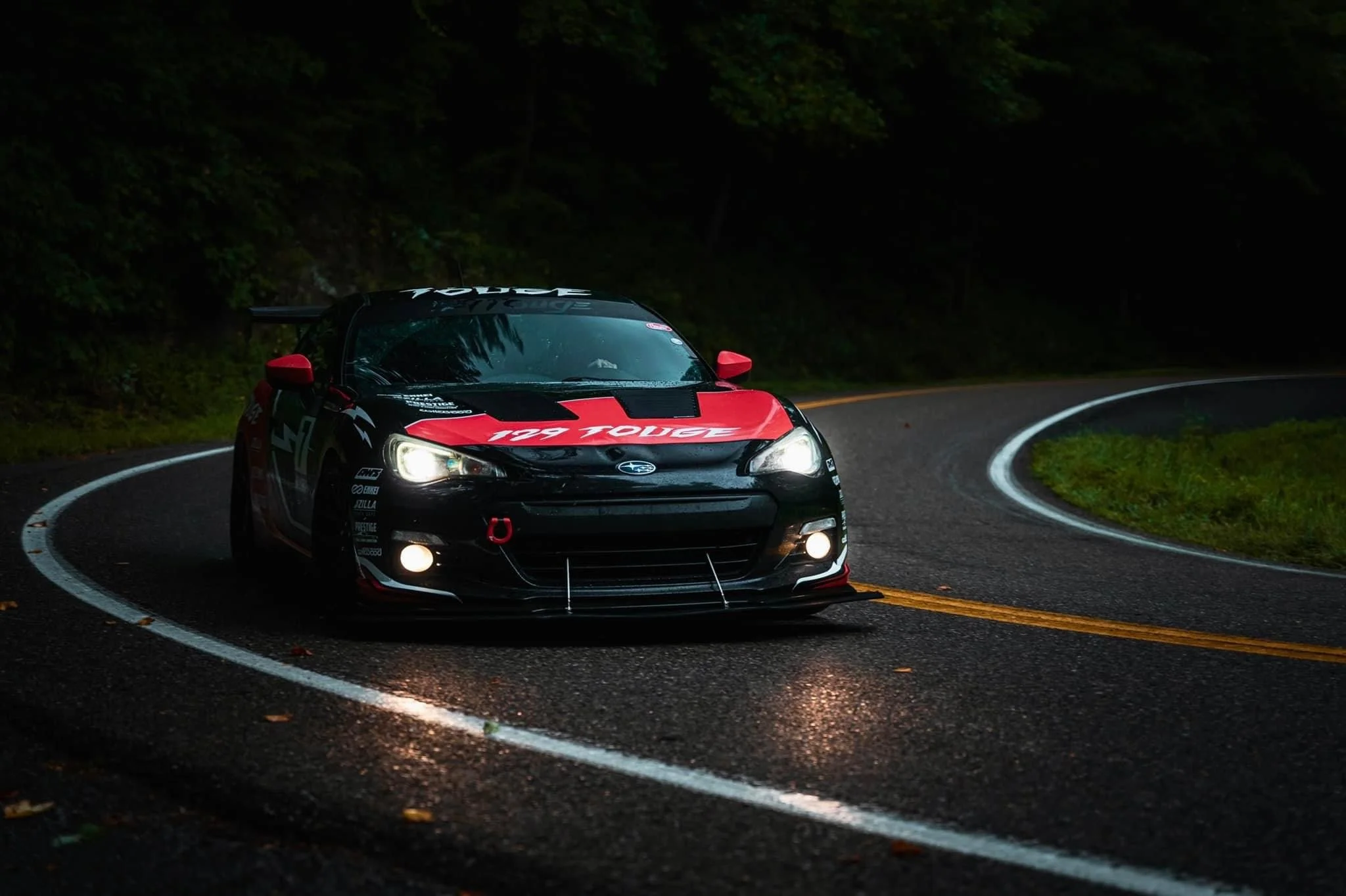
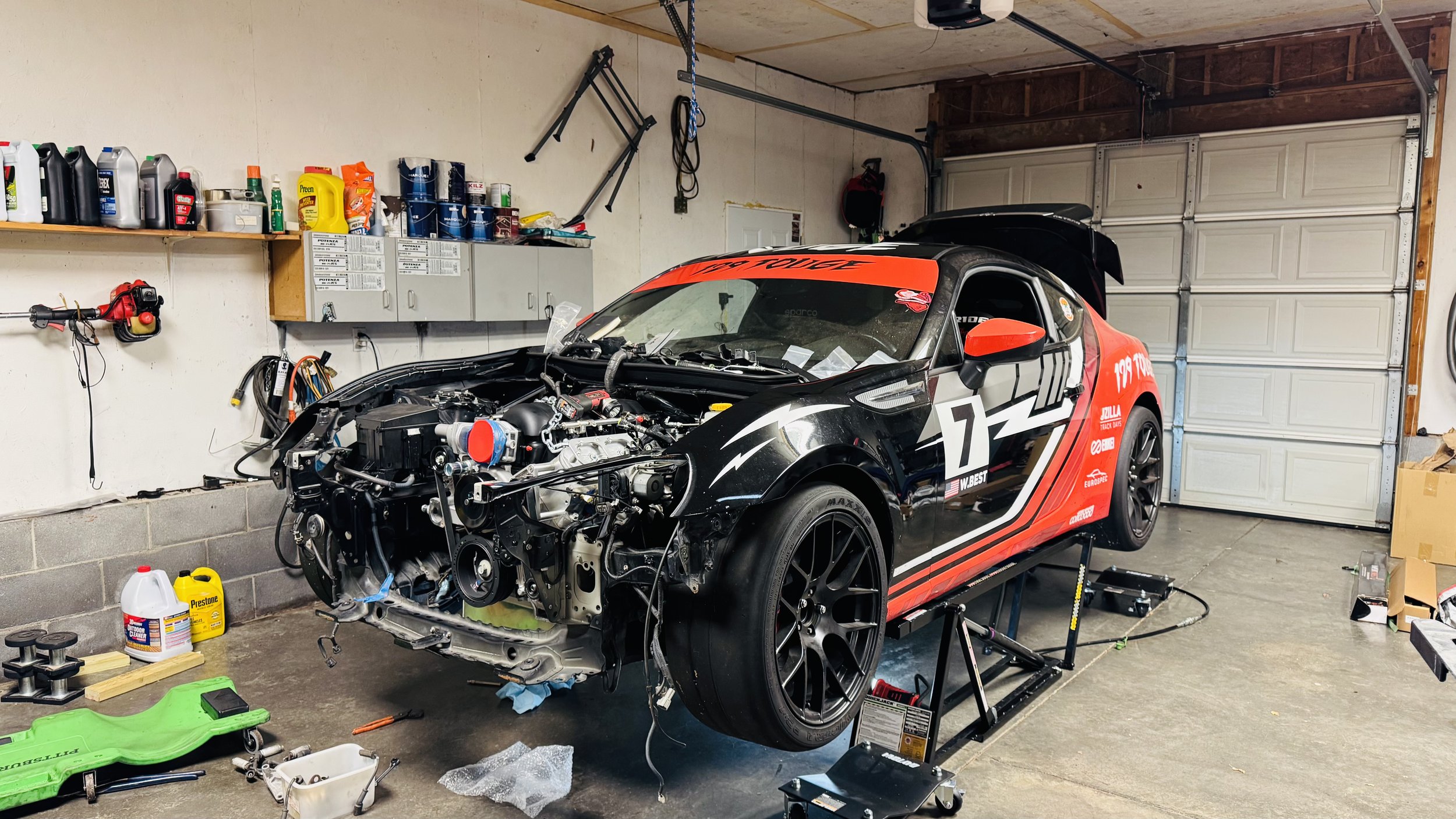
In 2018, the car encountered the kind of moment that quietly redefines long-term ownership. A cam gear failure triggered a series of mechanical setbacks that ultimately brought an end to the factory FA-20. Repairs followed, along with the lessons that tend to accompany enthusiast projects, where even minor oversights can carry disproportionate consequences. In this case, an under-torqued harmonic balancer bolt led to pulley lockup, timing cover damage, and immediate oil loss — resulting in a seized motor and an abrupt close to the car’s original chapter.
For many builds, this is where the trajectory shifts dramatically. Failures often become justification for escalation, pushing owners toward larger power goals or entirely new directions. Wade briefly considered that same path, drawn by the growing appeal of LS swaps at the time. Yet practicality and circumstance intervened, ultimately steering the decision toward another FA-20 — a choice that, in hindsight, proved far more influential than any immediate horsepower gain.
“In reality, it was the best thing I could do for myself and my driver experience.”
Rather than serving as a shortcut to performance, the setback reinforced the BRZ’s original trajectory. The car returned not as a project chasing numbers, but as a platform demanding refinement — one that would continue shaping Wade’s approach to driving through discipline, momentum, and precision.
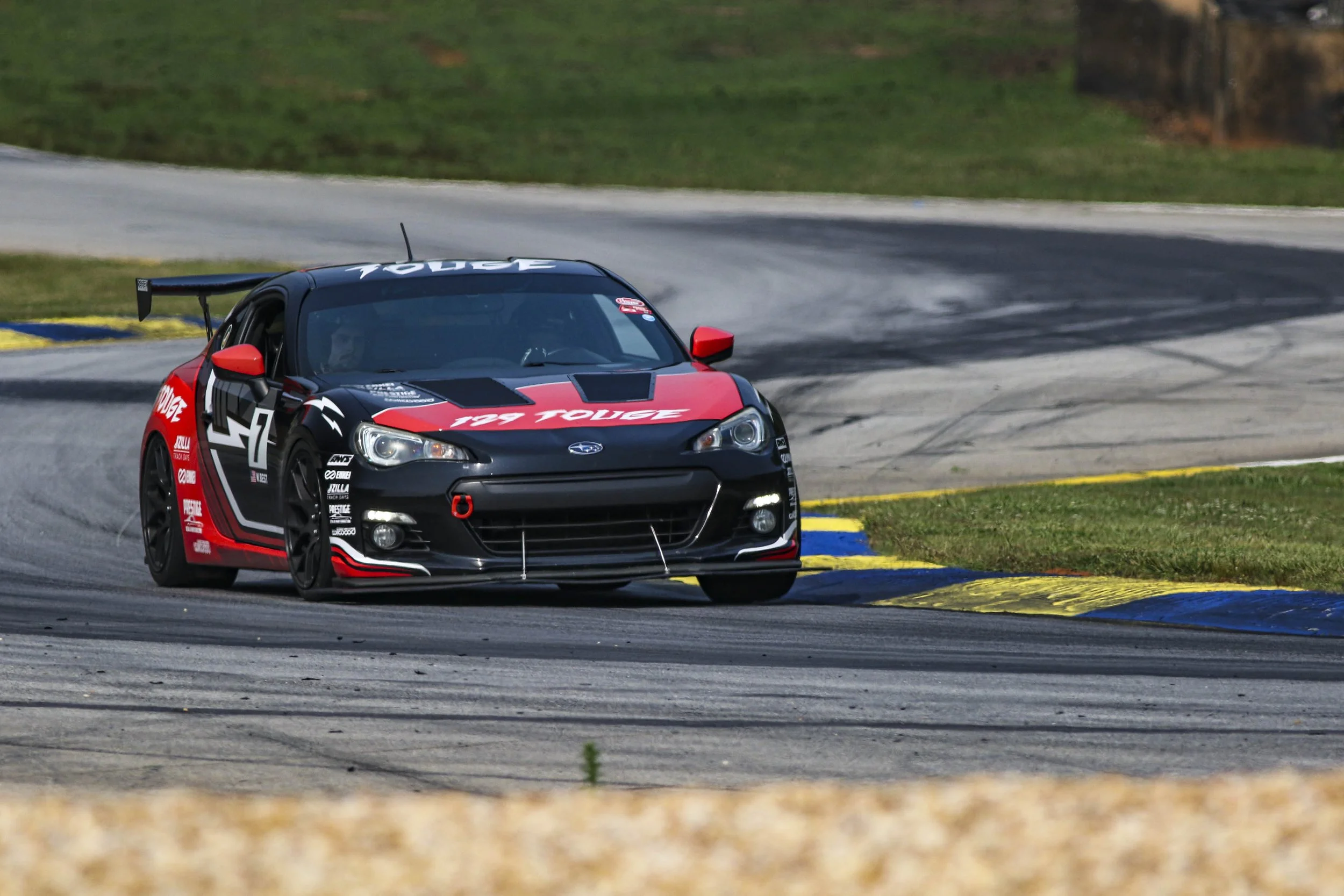
Over time, the BRZ became something deeper than platform appeal or performance potential. Eleven years of ownership transformed the car from an early enthusiast purchase into a constant presence through multiple stages of life. It introduced friends to track days, influenced driving philosophy, and ultimately became the foundation upon which Wade would build not only his skills, but his brand.
“This car means a lot to me. I’ve been through a lot with this car. Good times, bad times — this car has seen it.”
That longevity carries a particular weight within driving culture. Cars often remain long enough to become companions, but only a select few earn that distinction in the way enthusiasts truly understand — through shared experiences, setbacks, growth, and the gradual shaping of identity. Over more than a decade, the BRZ ceased to be merely a machine and instead became a reflection of persistence, progression, and the rare bond formed when both driver and chassis evolve together.
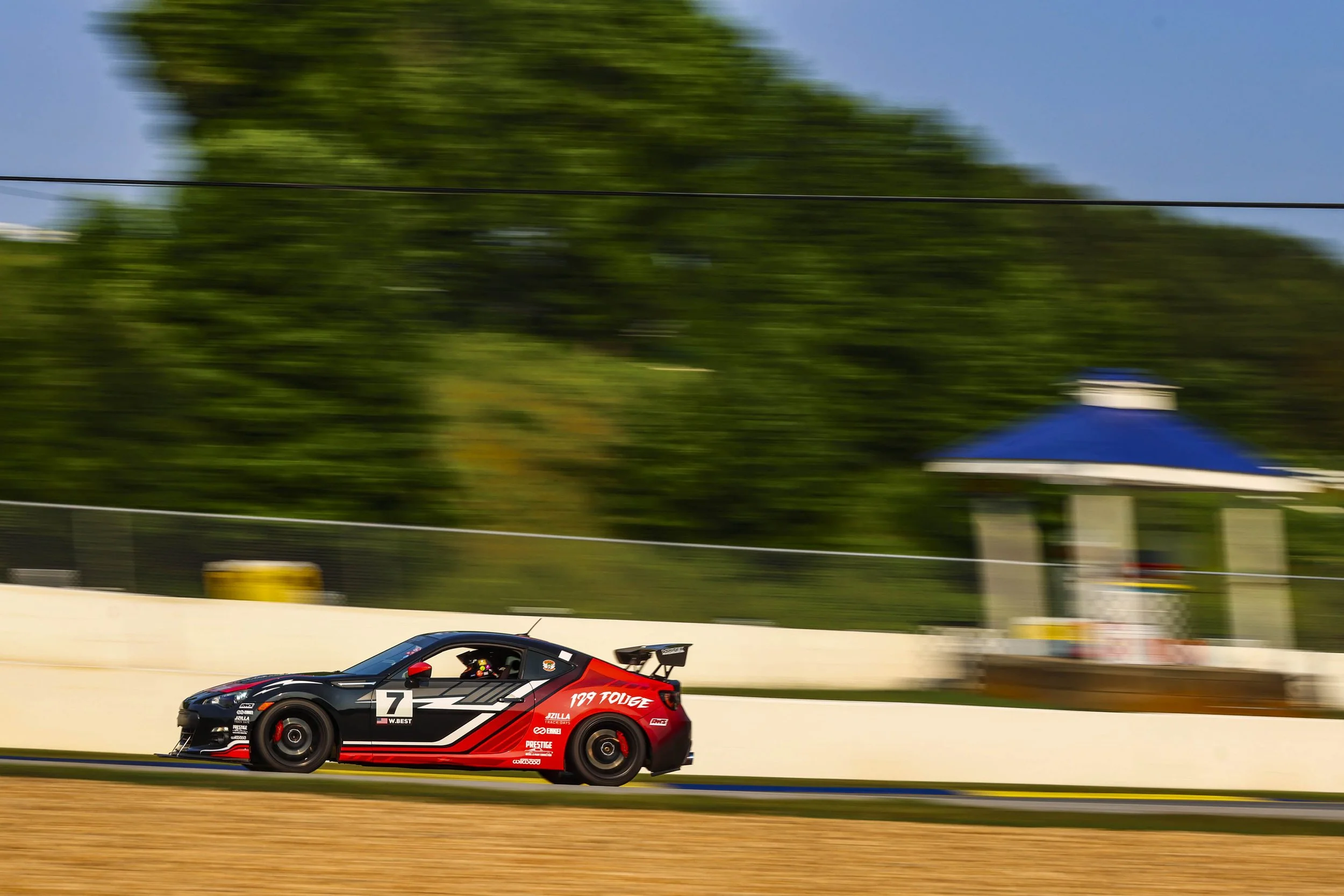
If the BRZ’s story is defined by longevity, its identity is defined by where it has been driven. From early trips to US-129 to more than thirty track days across circuits like Road Atlanta, Barber, Daytona, and Atlanta Motorsports Park, the car has spent its life in environments that demand precision rather than reward excess. Years of seat time transformed the platform into something more than transportation or project — it became a tool for refinement, forcing a deeper understanding of momentum, balance, and restraint.
That experience shaped Wade’s philosophy in ways horsepower alone never could. Extracting performance from a naturally aspirated chassis required patience, consistency, and a willingness to operate within narrow margins. The lessons were rarely dramatic, but they were lasting — reinforcing the idea that speed is often built through discipline rather than brute force.
Looking ahead, the BRZ enters its next chapter with an LS3 powerplant and significantly expanded performance potential. Yet even as the car evolves toward new capabilities, the underlying mindset remains unchanged. The goal has never been spectacle. It has always been progression.
And perhaps most telling of all is the perspective Wade carries after more than a decade with the chassis — one that resonates deeply within driving culture itself.
“Life’s short and can suck at times, but being able to drive just makes those feelings disappear.”
In the end, cars like this are rarely about numbers alone. They are about the clarity found behind the wheel, the persistence required to improve, and the quiet satisfaction of a machine that continues to evolve alongside its driver.
Precision over power.
Wade’s journey — both with this chassis and through the culture that surrounds it — reflects the same mindset that defines 129 Touge itself: a genuine connection to driving, progression, and the roads that shape us as enthusiasts. Be sure to follow along with Wade and 129 Touge through his socials (linked below), where that philosophy continues to evolve both on track and on the mountain. And on a more personal note, I’m genuinely looking forward to finally crossing paths somewhere out on the mountain this year — because cars like this, and the people building communities around them, always seem to find their way back to the same ribbon of asphalt.
-Double Yellow Apparel